Why are my brakes squeaking?
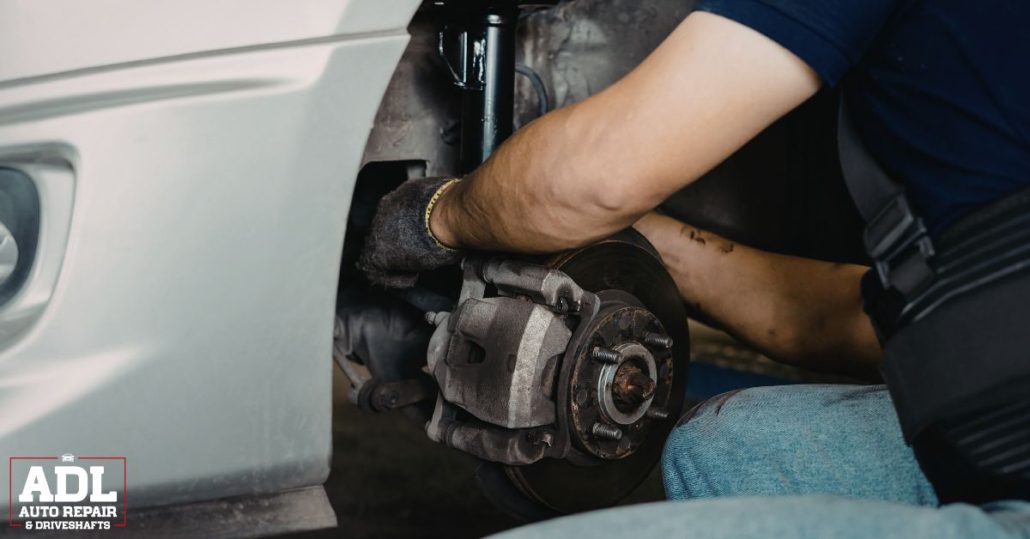
If your car has started making a high‑pitched squeak every time you slow down, you’re not alone. Squeaky brakes are one of the most common concerns we hear at ADL Auto Repair & Driveshafts in Minnesota. The good news is this: sometimes it’s normal. The bad news? Sometimes it’s a warning sign you should not ignore. Brakes squeak most commonly because brake pads are worn, dusty, wet, or vibrating against the rotor. Some squeaks are harmless, but persistent noise during braking can indicate unsafe wear and should be inspected by a professional mechanic.
In this guide, we’ll explain why brakes squeak, what it means, and when you should schedule a brake inspection.
How Your Brakes Actually Work
Your braking system relies on friction. When you press the brake pedal:
- Hydraulic pressure pushes the brake caliper
- The caliper squeezes brake pads against the rotor
- Friction slows the wheel
- Your vehicle stops safely
Squeaking happens when something interrupts smooth contact between the pad and rotor — usually vibration, contamination, or wear.
Common Reasons Your Brakes Are Squeaking
1. Normal Brake Pad Wear Indicators
Many modern brake pads are built with a metal wear indicator tab. When the pad material becomes thin, the tab contacts the rotor and produces a squeal.
This is intentional.
It’s your car’s way of saying:
“Schedule a brake service soon.”
What to do: Call for a brake inspection within the next week or two. Waiting too long can damage the rotor and increase repair costs.
2. Morning Moisture (Very Common in Minnesota)
In colder or humid conditions, condensation forms on brake rotors overnight. When you drive in the morning, the thin layer of surface rust gets scraped off by the pads and produces a squeak.
Signs this is normal:
- Noise only lasts the first few stops
- Goes away after driving a mile or two
- No vibration or grinding
This is extremely common during Minnesota fall, winter, and spring seasons.
 3. Brake Dust Buildup
 3. Brake Dust Buildup
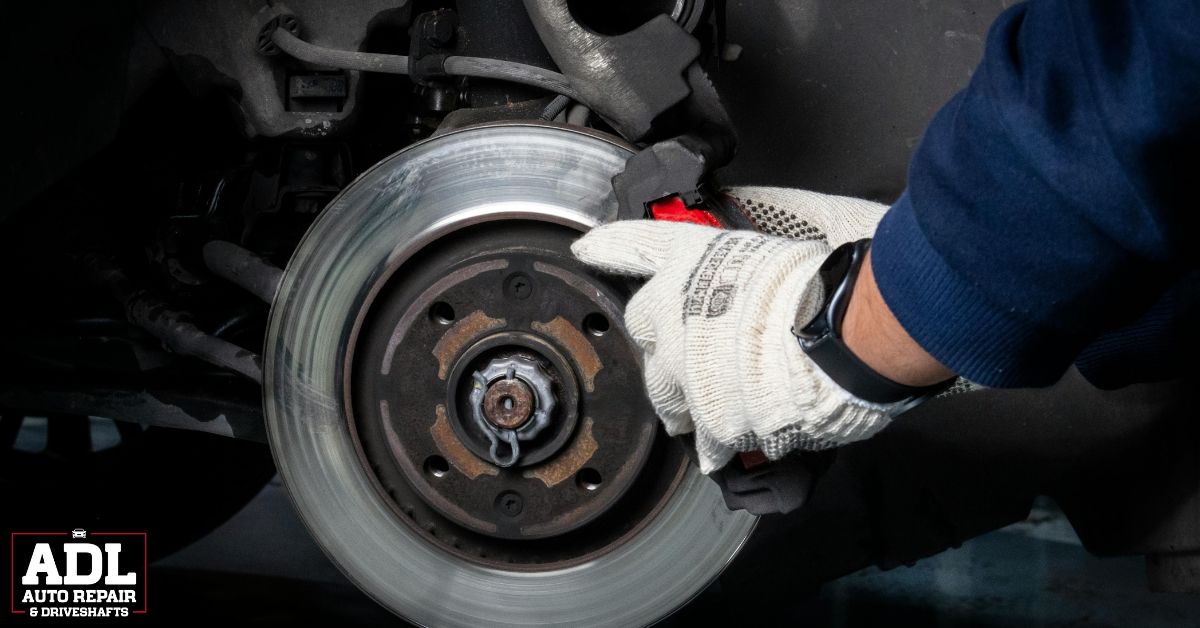
Brake pads create dust as they wear. Over time, dust accumulates between the pad and rotor. That debris can cause vibration, which creates the squeaking sound you hear.
Solution: A professional brake cleaning and inspection usually fixes this quickly.
4. Low‑Quality or Hard Brake Pads
Some aftermarket brake pads use harder materials. They last longer but often squeak more because they vibrate at high frequencies during braking.
This noise is annoying but not always dangerous.
At ADL Auto Repair & Driveshafts, we match brake pad types to:
- Driving habits
- Vehicle weight
- Minnesota climate conditions
This reduces noise and improves stopping performance.
5. Glazed Brake Pads or Rotors
If brakes overheat — such as during heavy braking, towing, or stop‑and‑go traffic — the pad surface can harden and become smooth. This is called glazing.
Glazed surfaces don’t grip well and often squeal loudly.
Symptoms:
- Loud squealing
- Reduced stopping power
- Brakes feel harder than normal
This condition should be repaired promptly for safety.
6. Sticking Brake Caliper
A caliper that doesn’t release fully keeps the pad lightly touching the rotor. That constant contact causes noise and rapid wear.
Warning signs:
- Burning smell after driving
- One wheel covered in dark brake dust
- Vehicle pulling to one side
This requires immediate service.
7. Grinding Noise (Different From Squeaking — Very Serious)
If the sound changes from a squeak to a grinding metal noise, your brake pads are likely completely worn out. At this point, the metal backing plate contacts the rotor.
Driving in this condition can:
- Damage rotors
- Damage calipers
- Increase stopping distance
- Become unsafe
You should not delay repairs.
When Squeaky Brakes Are Dangerous
Schedule a brake inspection right away if you notice:
- Noise every time you brake
- Steering wheel vibration
- Pulsating brake pedal
- Burning smell
- Vehicle pulling sideways
- Grinding sound
These symptoms often mean your braking performance is reduced.
How a Professional Brake Inspection Helps
At ADL Auto Repair & Driveshafts, a complete brake inspection typically includes:
- Measuring brake pad thickness
- Checking rotor condition
- Inspecting calipers and slide pins
- Examining brake fluid
- Road‑testing the vehicle
We explain what is urgent, what can wait, and what maintenance prevents future repairs.
How to Prevent Brake Noise
You can reduce brake squeaking by:
- Avoiding sudden hard braking when possible
- Having brakes inspected annually
- Flushing brake fluid on schedule
- Installing quality brake pads
- Addressing small noises early
Preventive maintenance almost always costs less than replacing damaged rotors or calipers.
Local Tip for Minnesota Drivers
Road salt and temperature swings accelerate brake wear. Vehicles in Minnesota typically need brake service more often than vehicles in dry climates. Seasonal inspections — especially before winter — help prevent surprise repairs.
Related Services
- Brake Repair & Replacement
- Brake Fluid Flush
- Rotor Resurfacing or Replacement
- Suspension Inspection
- Driveshaft Service
FAQ
Is it safe to drive with squeaky brakes?
Sometimes yes, but not always. Occasional noise after rain or cold weather is normal. Constant squealing during braking should be inspected.
How long do brake pads usually last?
Most vehicles average 30,000–70,000 miles depending on driving habits, vehicle size, and road conditions.
Why do new brakes squeak?
New pads need a break‑in period called bedding. Light squeaking during the first 200–300 miles can be normal.
How much does brake repair usually cost?
Costs vary by vehicle and damage level. Replacing pads is far less expensive than replacing pads and rotors, which is why early inspection matters.
Will brake squeaking go away on its own?
Moisture‑related noise often does. Wear‑related noise will not and usually worsens over time.
Squeaky brakes are your vehicle communicating with you. Sometimes it’s harmless environmental noise. Other times it’s an early safety warning. The difference is impossible to know without a proper inspection.
If you hear persistent brake squeaking in Minnesota, the safest choice is to have a professional check it. Catching brake problems early helps protect your vehicle, your wallet, and most importantly — your safety on the road.
ADL Auto Repair & Driveshafts is happy to help drivers understand what their vehicle is telling them and fix issues before they become major repairs.





Leave a Reply
Want to join the discussion?Feel free to contribute!