How Often Should I Actually Flush My Transmission Fluid?
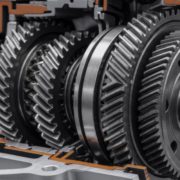
Transmission fluid plays a critical role in keeping your vehicle running smoothly, yet it’s one of the most misunderstood maintenance services. Many drivers ask the same question: How often should I actually flush my transmission fluid?
At ADL Auto Repair & Driveshafts in Centerville, MN, we help vehicle owners make informed maintenance decisions that protect their transmissions and extend vehicle life. In this article, we’ll explain what a transmission fluid flush is, how often it’s needed, and when it may not be recommended.
What Does Transmission Fluid Do?
Transmission fluid is responsible for:
- Lubricating internal transmission components
- Cooling the transmission
- Providing hydraulic pressure for gear changes
- Preventing excessive wear and overheating
Over time, this fluid breaks down and becomes contaminated with debris, which can reduce performance and cause damage if left unchanged.
What Is a Transmission Fluid Flush?
A transmission fluid flush is a service where old fluid is completely removed and replaced with new, clean fluid. This differs from a transmission fluid change, which typically replaces only part of the fluid.
A proper flush:
- Removes contaminated fluid
- Clears out sludge and debris
- Helps restore smooth shifting
When performed at the right time, it can significantly extend the life of your transmission.
How Often Should You Flush Transmission Fluid?
The short answer: it depends on your vehicle, driving habits, and manufacturer recommendations.
General Guidelines
- Every 30,000–60,000 miles for most vehicles
- Every 30,000 miles for vehicles that tow, haul heavy loads, or drive in stop-and-go traffic
- Some newer vehicles with “lifetime fluid” may go longer—but still benefit from inspection
Always check your owner’s manual first, and consult a trusted professional if you’re unsure.
When You Should Not Flush Transmission Fluid
A flush isn’t always the right choice, especially for high-mileage vehicles that have never had transmission service.
Avoid a flush if:
- The transmission is already slipping
- The fluid is severely burnt or contaminated
- The vehicle has very high mileage with no prior service
In these cases, a fluid change or diagnostic inspection may be safer. At ADL Auto Repair & Driveshafts, we evaluate each vehicle individually before recommending service.
 Signs Your Transmission Fluid Needs Service
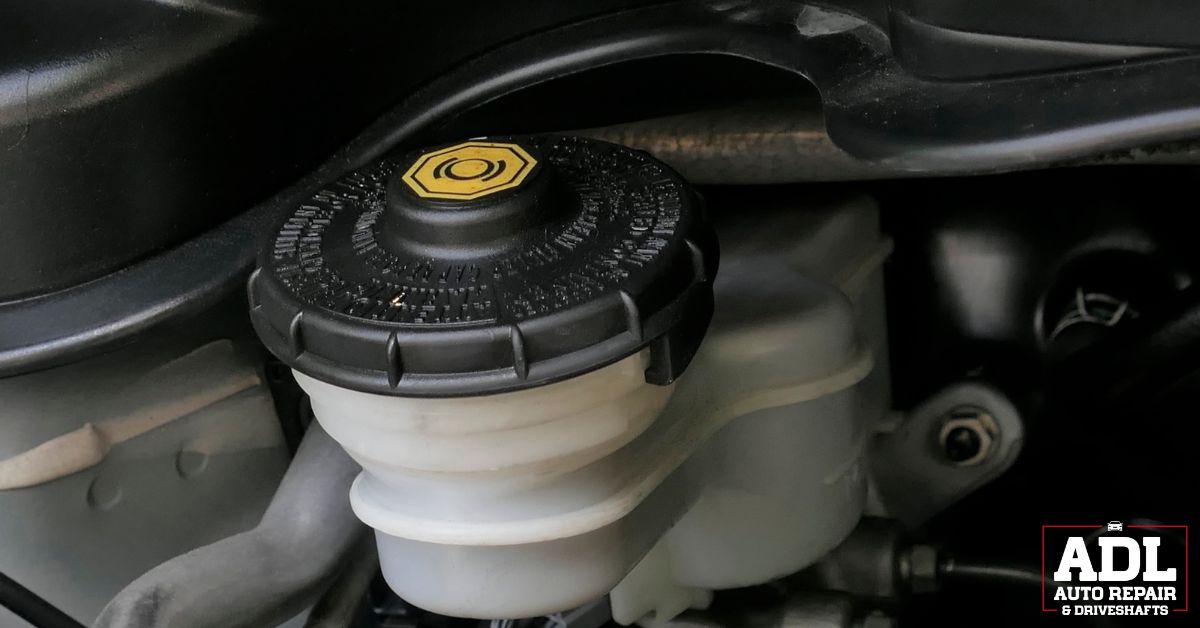 Signs Your Transmission Fluid Needs Service
Watch for these common warning signs:
- Rough or delayed shifting
- Slipping gears
- Burning smell
- Dark or dirty transmission fluid
- Unusual noises while driving
If you notice any of these symptoms, it’s best to have your transmission checked promptly.
Why Professional Service Matters
Improper transmission service can cause more harm than good. A professional shop ensures:
- Manufacturer-approved fluid is used
- Correct service method for your transmission type
- No unnecessary risk to internal components
Our technicians in Centerville, MN have the experience and equipment to service transmissions correctly and safely.
Frequently Asked Questions
Is a transmission flush better than a fluid change?
A flush replaces all the fluid, while a change replaces only part. The best option depends on your vehicle’s condition and service history.
Can flushing damage my transmission?
If done at the wrong time or on a neglected transmission, it can cause issues. That’s why a professional inspection is important first.
How do I know if my transmission fluid is bad?
Bad fluid may appear dark, cloudy, or have a burnt smell. Smooth shifting problems are another common sign.
Do newer vehicles still need transmission service?
Yes. Even vehicles with “lifetime” fluid benefit from inspections and periodic maintenance.
Do you service transmissions in Centerville, MN?
Yes. ADL Auto Repair & Driveshafts provides transmission inspections and maintenance for cars, trucks, SUVs, and commercial vehicles.