5 Ways Regular Oil Changes Can Extend Your Engine Life by Years
Routine oil changes are one of the simplest — and most important — services your vehicle needs. Yet many drivers delay them because the car still seems to run fine. Unfortunately, engine damage rarely happens all at once. It happens slowly, mile by mile.
At ADL Auto Repair & Driveshafts in Minnesota, we regularly see engines fail early due to neglected oil service. The good news is that timely maintenance can dramatically extend the life of your vehicle.
Below are five key ways regular oil changes can help your engine last for years longer.
Why Engine Oil Matters
Engine oil does much more than lubricate moving parts. Modern engines contain hundreds of precision‑machined components operating at high temperatures and speeds. Oil acts as both a lubricant and a protective barrier between metal surfaces.
Without clean oil, metal parts begin to wear, heat builds up, and deposits form inside the engine. Over time, this leads to performance loss and expensive repairs.
1. Reduces Friction and Internal Wear
Inside your engine, parts like pistons, crankshafts, and camshafts move thousands of times per minute. Clean oil forms a thin protective film that keeps these metal components from grinding against each other.
When oil breaks down or becomes dirty, that protective film weakens. Metal‑to‑metal contact begins to occur, slowly wearing down internal engine parts.
Result: Regular oil changes significantly reduce long‑term engine wear and help engines reach higher mileage.
2. Prevents Engine Overheating
Oil also helps control temperature. As it circulates, it carries heat away from critical components and distributes it throughout the engine where it can dissipate.
Old oil thickens and loses its cooling ability. This can cause:
- Increased operating temperature
- Reduced performance
- Accelerated part failure
In Minnesota’s hot summers and freezing winters, proper lubrication is especially important because temperature swings stress engine components.
3. Removes Dirt, Debris, and Contaminants
During normal operation, microscopic particles form inside the engine. Combustion byproducts, dust, and metal particles all end up suspended in the oil.
The oil filter captures many contaminants, but eventually the oil itself becomes saturated.
If oil is not changed, sludge begins forming.
Sludge can:
- Block oil passages
- Restrict lubrication
- Damage bearings
- Lead to engine failure
Fresh oil removes contaminants before they accumulate.
4. Protects Seals and Gaskets
Engine seals and gaskets rely on proper lubrication to remain flexible. Dirty or degraded oil causes them to dry out and crack over time.
This often leads to:
- Oil leaks
- Burning oil smell
- Low oil levels
Regular oil service helps preserve these components and prevents costly repairs.
5. Maintains Fuel Efficiency and Performance
Engines operate most efficiently when internal friction is minimized. Clean oil allows components to move freely, which reduces the energy required to run the engine.
Benefits include:
- Improved fuel economy
- Smoother acceleration
- Quieter engine operation
Drivers often notice their vehicle runs smoother immediately after an oil change.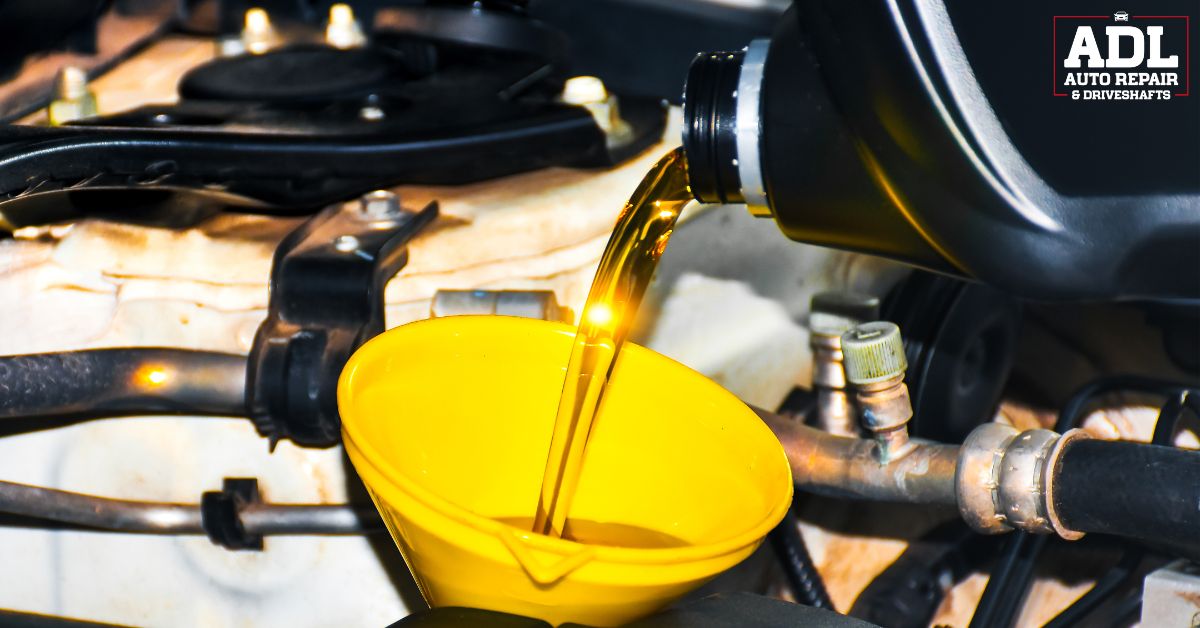
How Often Should You Change Your Oil?
Many modern vehicles can go longer between services than older cars, but severe conditions shorten intervals.
Common Minnesota driving conditions that require more frequent service:
- Short trips
- Cold starts
- Stop‑and‑go traffic
- Winter driving
- Towing or hauling
A safe general guideline is every 5,000–7,500 miles, though your specific vehicle may differ.
Signs You May Be Overdue for an Oil Change
Watch for these warning signs:
- Dark, dirty oil on the dipstick
- Engine running louder than normal
- Oil change or check engine light
- Burning oil smell
- Reduced fuel economy
If you notice any of these, schedule service soon to avoid damage.
What Happens During a Professional Oil Service?
At ADL Auto Repair & Driveshafts, an oil service typically includes:
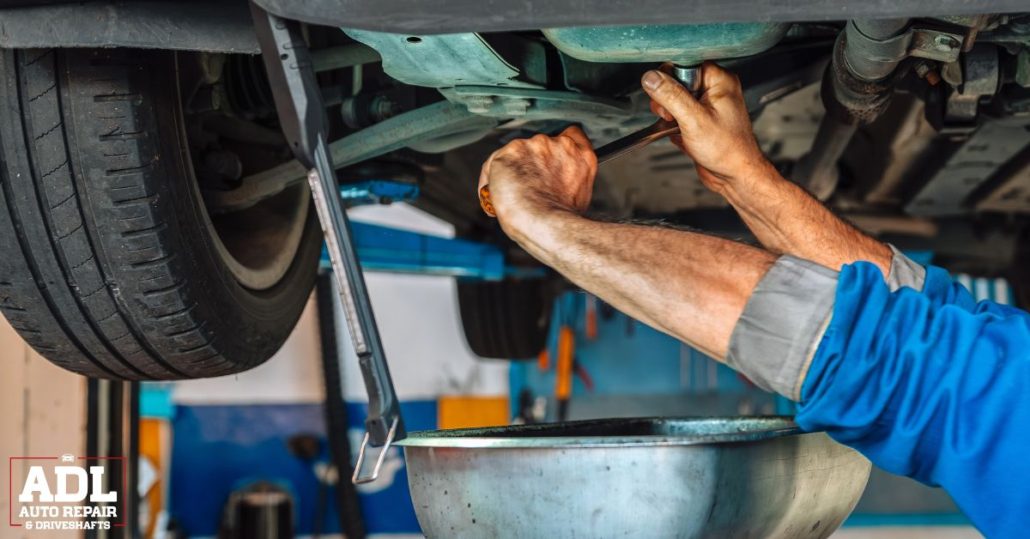
- Draining old oil
- Replacing the oil filter
- Installing manufacturer‑recommended oil type
- Checking fluid levels
- Inspecting belts, hoses, and leaks
Routine oil service often catches small problems before they become major repairs.
Local Tip for Minnesota Drivers
Cold weather thickens engine oil, making lubrication harder during startup — the time when most engine wear occurs. Keeping fresh oil in your vehicle is especially important before winter.
Preventive Maintenance Saves Money
Replacing an engine can cost thousands of dollars. An oil change is one of the lowest‑cost maintenance services available. Consistent service over time dramatically reduces the chance of catastrophic engine failure.
FAQ – Oil Changes and Engine Life
Can I really damage my engine by skipping oil changes?
Yes. Old oil loses its lubricating ability and allows internal parts to wear prematurely.
Does synthetic oil last longer?
Yes. Synthetic oil resists breakdown better and performs well in extreme temperatures, but it still requires regular service.
Why does my oil look black so quickly?
Dark oil usually means it is collecting contaminants — which means it’s doing its job — but it still needs to be replaced on schedule.
Can I go by the oil life monitor alone?
It’s helpful, but driving conditions like short trips and cold weather can require more frequent changes than the monitor estimates.
How long does an oil change take?
Most oil services take about 30–45 minutes.
Your engine is the most expensive component of your vehicle. Regular oil changes are one of the simplest ways to protect that investment. Clean oil keeps internal parts lubricated, cool, and protected from wear.
If you want your vehicle to last for many years in Minnesota conditions, consistent maintenance matters. A routine oil service today can help you avoid major repairs tomorrow.
ADL Auto Repair & Driveshafts is committed to helping drivers keep their vehicles reliable, efficient, and long‑lasting through proper preventive maintenance.