What Causes Battery Terminal Corrosion and How Can You Prevent It?
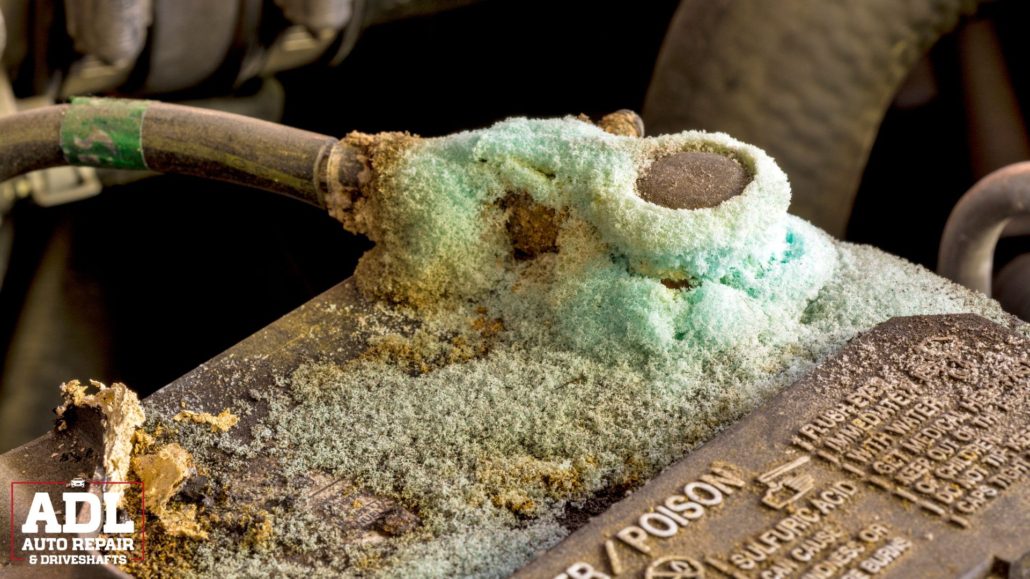
If you have ever popped the hood of your vehicle only to find a flaky, crusty substance covering your battery posts, you are looking at battery terminal corrosion. It is one of the most common causes of slow engine starts, dim headlights, and sudden battery failure. While it may look harmless at first glance, severe corrosion disrupts the electrical connection between your car battery and the starter, eventually leaving you stranded.
What Causes Battery Terminal Corrosion?
Battery terminal corrosion is a chemical reaction that occurs when hydrogen gas released from the battery acid mixes with atmosphere moisture and the metal terminals. Knowing which side is corroding can tell you a lot about what is happening under the hood:
1. Off-Gassing (Hydrogen Gas Release)
Lead-acid car batteries contain sulfuric acid and water. During normal charging and discharging cycles, the battery vents small amounts of hydrogen gas. As this gas reacts with copper or lead terminals and surrounding air, it forms crusty sulfate deposits.
2. Overcharging or Undercharging
Your alternator charges the battery while driving. If the voltage regulator fails and overcharges the battery, the electrolyte fluid boils, forcing excessive hydrogen gas out through the vents. This typically causes corrosion around the positive (+) terminal. Conversely, chronic undercharging or frequent short trips often result in corrosion at the negative (-) terminal.
3. Electrolyte Leaks and Aging Batteries
As car batteries age, the seals around the terminal posts weaken. Sulfuric acid vapor leaks out directly around the post base, accelerating white or blue-green corrosion. If your battery is more than three to five years old, terminal corrosion is often a sign that internal components are breaking down.
4. Minnesota Weather and Temperature Swings
Extremely cold winter temperatures followed by hot summer heat waves cause battery metals to expand and contract. This temperature flux can crack aging terminal seals, allowing moisture and road salt to accelerate atmospheric oxidation.
Blue vs. White Corrosion: What Do the Colors Mean?
The color of the buildup on your terminals reveals the specific metal or chemical reaction involved:
- White Crusty Powder: This is typically lead sulfate or anhydrous copper sulfate. It forms when lead or aluminum terminals react with venting hydrogen gas.
- Blue-Green Powder: This occurs when copper terminal clamps or copper wiring react with copper sulfate and moisture. Blue-green buildup indicates that the copper metal in your battery cable connectors is eroding.
How Can You Prevent Battery Terminal Corrosion?
Preventing corrosion is fast, affordable, and extends the lifespan of both your battery and your vehicle’s starter motor. Follow these preventive measures to keep your terminals clean:
1. Apply Terminal Anti-Corrosion Spray or Dielectric Grease
After cleaning your terminals, apply a thin coat of battery terminal protector spray or high-temperature dielectric grease. This creates an airtight barrier that blocks moisture, air, and hydrogen fumes from settling on the metal connectors.
2. Install Anti-Corrosion Felt Washers
Felt battery washers (often color-coded red for positive and green for negative) sit at the base of the battery post. Many are chemically treated to absorb acid vapors before they reach the terminal clamps.
3. Avoid Short Trips and Avoid Overcharging
Ensure your alternator and voltage regulator are working properly. Taking occasional longer drives allows your charging system to balance battery voltage naturally without forcing excessive off-gassing.
4. Keep the Battery Clean and Secure
Ensure your battery tie-down bracket is tight. Excess engine vibration damages internal battery plates and loosens post seals, causing premature leaks. Periodically wipe down the top of the battery case to remove dirt and oily film that can conduct current and cause electrical discharge.
5. Schedule Regular Battery Testing
Having your battery and alternator load-tested once a year ensures your electrical system maintains optimal voltage without boiling over or undercharging.
How to Clean Corroded Battery Terminals Safely
If you already have light corrosion on your terminals, you can clean it with basic materials. Always wear protective eye goggles and gloves to avoid skin contact with battery acid residue.
- Disconnect the Battery: Turn off the engine. Always disconnect the negative (-) cable first, followed by the positive (+) cable, to prevent accidental short circuits.
- Neutralize the Acid: Mix 1 tablespoon of baking soda into 1 cup of warm water. Pour a small amount directly over the corroded terminals to neutralize the sulfuric acid deposits.
- Scrub the Posts: Use a wire battery terminal brush to scrub away all crusty buildup on both the posts and inside the cable clamps until shiny metal shows.
- Rinse and Dry: Rinse thoroughly with clean water and dry completely with a clean shop towel.
- Protect and Reconnect: Apply terminal protector spray or grease, then reconnect the positive (+) cable first, followed by the negative (-) cable. Tighten firmly.
Schedule Professional Battery Service at ADL Auto Repair
If your battery terminals corrode repeatedly, or if your vehicle struggles to start in cold weather, the issue may stem from an aging battery or an alternator charging fault.
At ADL Auto Repair and Driveshafts, our experienced technicians perform computer diagnostics, electrical system testing, and battery replacements to keep you driving safely. Visit our shop at 7095 21st Avenue North, Centerville, MN 55038, or call us today at (651) 426-8700 to schedule your appointment!
FAQ
Does battery terminal corrosion mean I need a new battery?
Not necessarily. Light surface corrosion can be cleaned off, allowing your battery to continue operating normally. However, if corrosion reappears quickly after cleaning, or if the battery is over 3 to 5 years old, it usually indicates internal leakage and means the battery should be tested or replaced.
Is battery terminal corrosion dangerous?
While terminal corrosion will not cause an explosion, battery acid residue contains sulfuric acid that can irritate skin, damage clothing, and erode metallic engine components. Excess corrosion also creates electrical resistance, which can strain your alternator and cause your vehicle to fail to start.
Can I use soda or baking soda to clean battery terminals?
Baking soda mixed with warm water is the safest and most effective household solution because it neutralizes sulfuric acid. While carbonated sodas contain carbonic acid that can dissolve crust, baking soda is preferred because it leaves no sticky sugar residue that can attract dirt.