RADIATOR REPLACEMENT
Professional radiator replacement and cooling system repair at ADL Auto Repair & Driveshafts.
Prevent overheating and protect your engine.
Professional radiator replacement and cooling system repair at ADL Auto Repair & Driveshafts.
Prevent overheating and protect your engine.
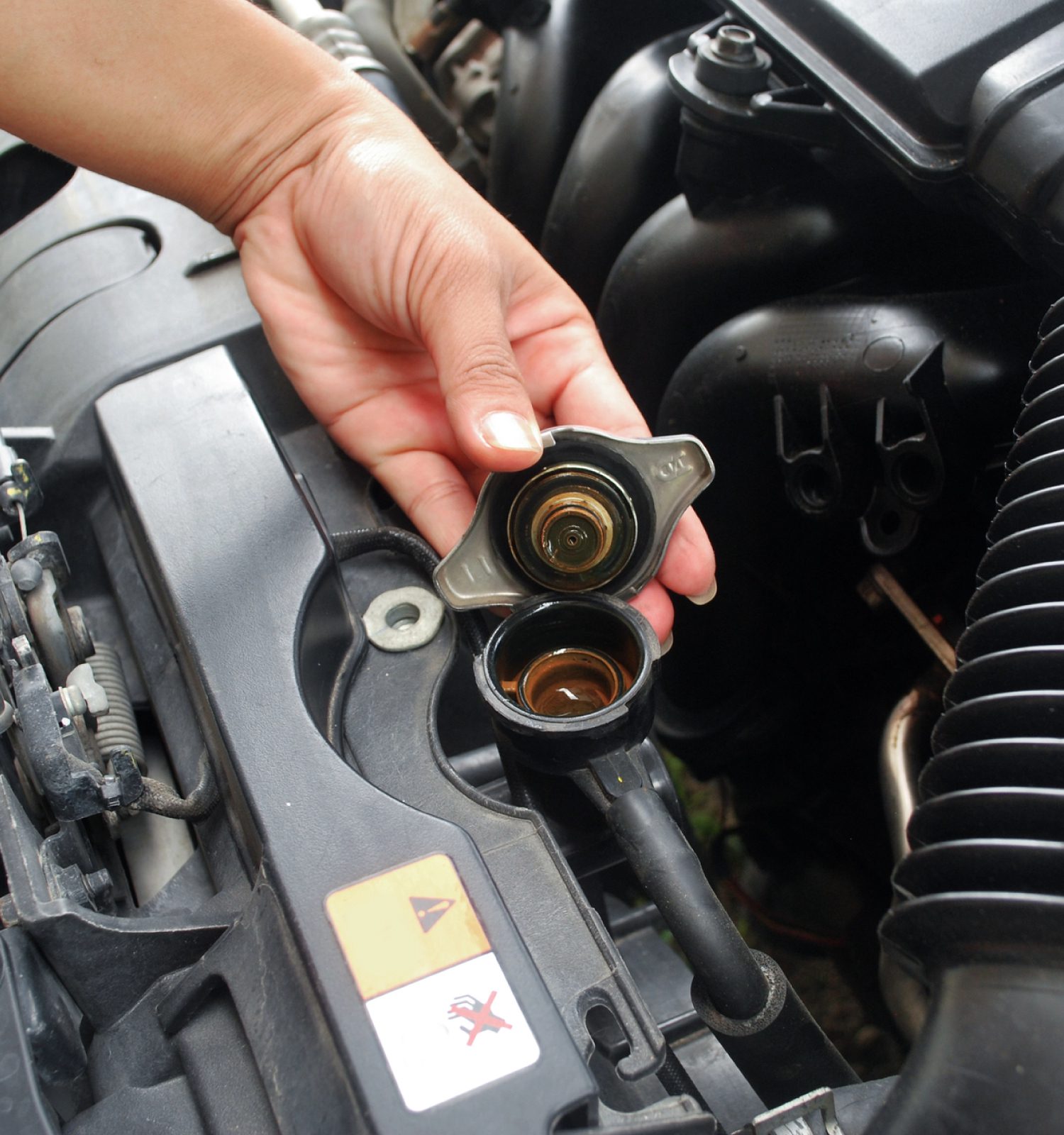
Your radiator is essential for maintaining proper engine temperature and preventing overheating. At ADL Auto Repair & Driveshafts, we specialize in radiator inspection, repair, and replacement to protect your engine from heat damage. If your vehicle is overheating, losing coolant, or showing temperature fluctuations, our technicians will identify the issue and install a high-quality radiator designed for long-lasting performance.
We also check hoses, fans, thermostats, and the entire cooling system to ensure everything functions as it should. With professional radiator service, you can drive confidently knowing your engine is properly cooled and protected.
| ✓ Radiator replacement | ✓ Hose, thermostat, and fan |
| ✓ Cooling system diagnostics | ✓ Overheating repair |
• Your engine temperature consistently runs higher than normal, indicating that the radiator may not be dissipating heat properly.
• You notice coolant leaking underneath the vehicle, often appearing as green, yellow, pink, or orange fluid, suggesting a cracked radiator or damaged hose.
• The coolant level drops frequently, showing that the system is losing fluid due to leaks or internal radiator damage.
• You see rust, corrosion, or discoloration on the radiator, which can restrict coolant flow and reduce cooling efficiency.
• The heater inside your vehicle stops working effectively, often caused by low coolant or circulation issues connected to radiator problems.
• A sweet, syrup-like smell comes from the engine bay, typically indicating a coolant leak.
• Steam or smoke appears from under the hood while driving, a sign of severe overheating and potentially a failing radiator.
What does the radiator do?
The radiator cools the engine by circulating coolant through the engine block and releasing heat through its fins.
How do I know if my radiator needs to be replaced?
Signs include overheating, coolant leaks, rust buildup, frequent low coolant levels, or visible damage to the radiator.
Can I drive with a failing radiator?
It’s unsafe—driving with a damaged radiator can cause severe overheating and lead to major engine damage.
What causes transfer case failure?
Common causes include low or old fluid, worn internal components, faulty sensors or actuators, and damage from heavy towing or off-road use.
What causes radiator failure?
Common causes include corrosion, physical damage, clogged cooling passages, worn hoses, or lack of regular coolant changes.
How often should I replace or flush my radiator coolant?
Coolant should typically be flushed every 30,000–50,000 miles or as recommended by your vehicle manufacturer.
Keep your vehicle cool and comfortable this summer with expert AC inspections and repairs.

We test, replace, and install high-quality car batteries to ensure reliable starts every time.

Our certified technicians provide complete brake inspections, repairs, and replacements.

Using advanced diagnostic tools, we accurately identify and fix engine and performance issues.

From balancing to replacement, we specialize in driveshaft repairs for smooth performance.
Improve efficiency and reduce noise with professional exhaust system repairs and replacements.
We repair and replace suspension components to keep your ride stable and comfortable.

Choose from a wide selection of quality tires, expertly installed and balanced for your vehicle.

We diagnose and repair transmission issues to keep your vehicle shifting smoothly.
Regular tune-ups improve fuel efficiency, performance, and the longevity of your engine.

We handle everything from routine maintenance to complex repairs, ensuring your vehicle stays safe.

We replace radiators with precision to prevent overheating and protect your investment.

We perform fast, thorough oil changes using quality oils and filters so your engine runs smoother.

Our advanced diagnostics pinpoint the reason behind your check-engine light and deliver clear, honest repair.
Whether it’s a worn clutch or a hydraulic issue, we restore clutch systems with high-quality parts.
We inspect and repair transfer case systems so power is routed correctly to your wheels.

We service front and rear differentials, diagnosing leaks, noise, or wear, and repairing them.
We cover the full drivetrain – driveshafts, U-joints, carrier bearings – to ensure your vehicle performs.
Keep your vehicle cool and comfortable this summer with expert AC inspections and repairs.
We test, replace, and install high-quality car batteries to ensure reliable starts every time.
Our certified technicians provide complete brake inspections, repairs, and replacements.
Using advanced diagnostic tools, we accurately identify and fix engine and performance issues.
From balancing to replacement, we specialize in driveshaft repairs for smooth performance.
Improve efficiency and reduce noise with professional exhaust system repairs and replacements.
We repair and replace suspension components to keep your ride stable and comfortable.
Choose from a wide selection of quality tires, expertly installed and balanced for your vehicle.
We diagnose and repair transmission issues to keep your vehicle shifting smoothly.
Regular tune-ups improve fuel efficiency, performance, and the longevity of your engine.
We handle everything from routine maintenance to complex repairs, ensuring your vehicle stays safe.
We replace radiators with precision to prevent overheating and protect your investment.
We perform fast, thorough oil changes using quality oils and filters so your engine runs smoother.
Our advanced diagnostics pinpoint the reason behind your check-engine light and deliver clear, honest repair.
Whether it’s a worn clutch or a hydraulic issue, we restore clutch systems with high-quality parts.
We inspect and repair transfer case systems so power is routed correctly to your wheels.
We service front and rear differentials, diagnosing leaks, noise, or wear, and repairing them.
We cover the full drivetrain – driveshafts, U-joints, carrier bearings – to ensure your vehicle performs.
Stay informed with the latest auto repair tips, maintenance guides,
and expert insights from ADL Auto Repair and Driveshafts.
Stay informed with the latest auto repair tips, maintenance guides, and expert insights from ADL Auto Repair and Driveshafts.
 https://adlautorepairanddriveshafts.com/wp-content/uploads/2026/01/ADLAutoRepairDriveshafts-driveshaft-010820263.jpg
628
1200
Michaela Andersen
https://53db77779e.nxcli.io/wp-content/uploads/2025/10/ADL-Auto-Repair-Logo-White.png
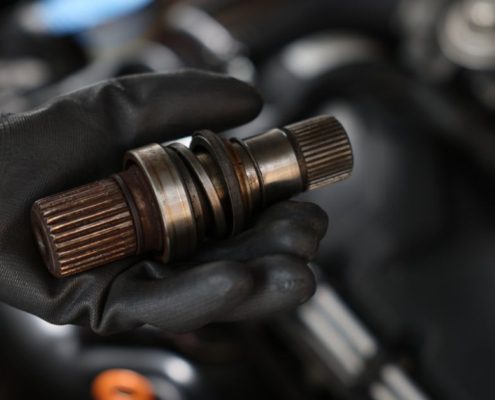
Michaela Andersen2026-05-25 08:00:522026-05-01 13:47:28How Driveshaft Balancing Saves Your Transmission
https://adlautorepairanddriveshafts.com/wp-content/uploads/2026/01/ADLAutoRepairDriveshafts-driveshaft-010820263.jpg
628
1200
Michaela Andersen
https://53db77779e.nxcli.io/wp-content/uploads/2025/10/ADL-Auto-Repair-Logo-White.png
Michaela Andersen2026-05-25 08:00:522026-05-01 13:47:28How Driveshaft Balancing Saves Your Transmission https://adlautorepairanddriveshafts.com/wp-content/uploads/2026/04/ADLAutoRepairDriveshafts-auto-ac-repair-040820261.jpg
1080
1920
Michaela Andersen
https://53db77779e.nxcli.io/wp-content/uploads/2025/10/ADL-Auto-Repair-Logo-White.png
Michaela Andersen2026-05-18 08:00:132026-05-01 13:43:41Keeping Your Delivery Fleet Cool: AC Service for Commercial Vans
https://adlautorepairanddriveshafts.com/wp-content/uploads/2026/04/ADLAutoRepairDriveshafts-auto-ac-repair-040820261.jpg
1080
1920
Michaela Andersen
https://53db77779e.nxcli.io/wp-content/uploads/2025/10/ADL-Auto-Repair-Logo-White.png
Michaela Andersen2026-05-18 08:00:132026-05-01 13:43:41Keeping Your Delivery Fleet Cool: AC Service for Commercial Vans https://adlautorepairanddriveshafts.com/wp-content/uploads/2026/01/ADLAutoRepairDriveshafts-transmission-fluid-010820262.jpg
628
1200
Michaela Andersen
https://53db77779e.nxcli.io/wp-content/uploads/2025/10/ADL-Auto-Repair-Logo-White.png
Michaela Andersen2026-05-15 08:00:212026-05-01 13:43:21Overlooked May Maintenance: Beyond the Oil Change
https://adlautorepairanddriveshafts.com/wp-content/uploads/2026/01/ADLAutoRepairDriveshafts-transmission-fluid-010820262.jpg
628
1200
Michaela Andersen
https://53db77779e.nxcli.io/wp-content/uploads/2025/10/ADL-Auto-Repair-Logo-White.png
Michaela Andersen2026-05-15 08:00:212026-05-01 13:43:21Overlooked May Maintenance: Beyond the Oil ChangeFor over 50 years, ADL Auto Repair and Drive Shafts, Inc. has been Centerville’s trusted source for quality auto care. We specialize in drivetrain & driveshaft repairs, as well as all your other automotive repair needs.