How Often Should I Get a Tune-Up? Preventive Maintenance Tune-Up Checklist for North Metro Drivers
With changing seasons, driving in Minnesota’s North Metro puts your vehicle through a gauntlet of extreme conditions. From freezing winter mornings to humid summer road trips, your car works hard year-round. To keep it running reliably and avoid sudden breakdowns, regular preventive maintenance is essential.
But how often do you actually need a tune-up, and what does a modern tune-up include? Let’s break down everything North Metro drivers need to know to maximize their vehicle’s lifespan.
How Often Does Your Car Need a Tune-Up?
The old rule of thumb used to be getting a tune-up every 10,000 to 12,000 miles. However, thanks to advancements in automotive technology, modern vehicles are much more resilient.
- Older Vehicles (with mechanical ignitions): Typically require a tune-up every 10,000 to 12,000 miles or every year.
- Modern Vehicles (with electronic ignitions and fuel injection): Can usually go anywhere from 30,000 to 100,000 miles before needing a major tune-up.
Tip: Always check your owner’s manual for your manufacturer’s specific maintenance schedule, or consult a trusted local technician who understands our regional driving climate.
The Essential Preventive Maintenance Tune-Up Checklist
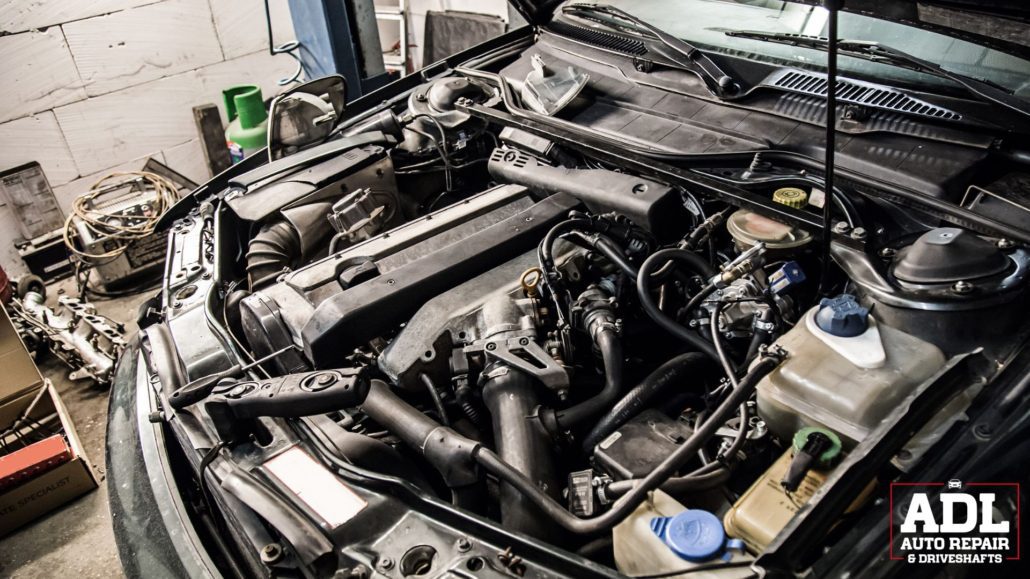
A modern tune-up isn’t just about changing a single part; it’s a comprehensive health check for your vehicle’s engine and ignition system. Here is the checklist we use to ensure your vehicle is ready for North Metro roads:
1. Spark Plug Inspection & Replacement
Spark plugs ignite the air-fuel mixture in your engine. Over time, their electrodes wear down, leading to misfires, rough idling, and poor gas mileage. Replacing worn spark plugs ensures smooth combustion.
2. Engine and Cabin Air Filter Check
A clogged engine air filter suffocates your motor, forcing it to work harder and consume more fuel. Similarly, a clean cabin air filter ensures you aren’t breathing in local dust and allergens while driving.
 3. Fuel System Cleaning
 3. Fuel System Cleaning
Over time, carbon deposits can build up on your fuel injectors and intake valves. A professional fuel system cleaning restores optimal fuel delivery and throttle response.
4. Belts and Hoses Evaluation
Extreme Minnesota temperature swings cause rubber components to crack and degrade. Checking serpentine belts and coolant hoses prevents sudden failures that can cause your engine to overheat.
5. Fluid Level & Quality Analysis
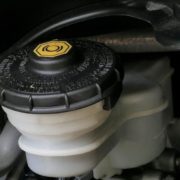
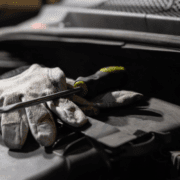
We inspect and top off crucial fluids, including engine oil, coolant, brake fluid, and power steering fluid. Clean fluids are the lifeblood of your vehicle’s mechanical systems.
Why Preventive Maintenance Matters for North Metro Drivers
Choosing to invest in preventive maintenance pays off in several major ways:
- Lower Fuel Costs: A well-tuned engine operates at peak efficiency, saving you money at the gas pump during your daily commute.
- Avoid Catastrophic Failures: Catching a worn belt or a failing sensor early prevents complex, expensive repairs down the road.
- Peace of Mind: Knowing your car has been thoroughly inspected gives you the confidence to tackle unpredictable Minnesota winter blizzards and summer road trips alike.
Get Your Vehicle Road-Ready at ADL Auto Repair and Driveshafts
At ADL Auto Repair and Driveshafts, we specialize in providing tailored maintenance plans for local drivers. Whether you are commuting through the North Metro or utilizing your truck for heavy towing, our ASE-certified technicians deliver dealership-level expertise with hometown service.
We look beyond generic codes to ensure your vehicle is genuinely optimized for our unique climate, backing our work with an exceptional 36-month/36,000-mile warranty.
FAQ
What are the signs that my car needs a tune-up?
Common signs include a noticeable drop in fuel economy, a rough or shaking idle, stalling, difficulty starting the engine, sluggish acceleration, or the illumination of your check engine light.
Does a tune-up include an oil change?
While a tune-up and an oil change are both part of preventive maintenance, they are separate services. An oil change focuses purely on engine lubrication, whereas a tune-up focuses on the ignition system, filters, and overall engine efficiency. However, they can easily be scheduled together.
How does Minnesota weather impact how often I need maintenance?
Extreme temperature shifts cause rubber belts and hoses to expand and contract rapidly, speeding up wear. Cold winter starts also put extra strain on your ignition system and battery, making seasonal inspections highly recommended.